As a schoolgirl who loved studying and getting lost in computer games, my days were simple and predictable. I would finish my homework, sit at the computer, and play for hours when I was at home. It was my usual routine, and I found relaxation in it. I liked the quiet of my room and the small wins in a game. Music was not a big part of my life then, except for the songs on TV that my family watched together.
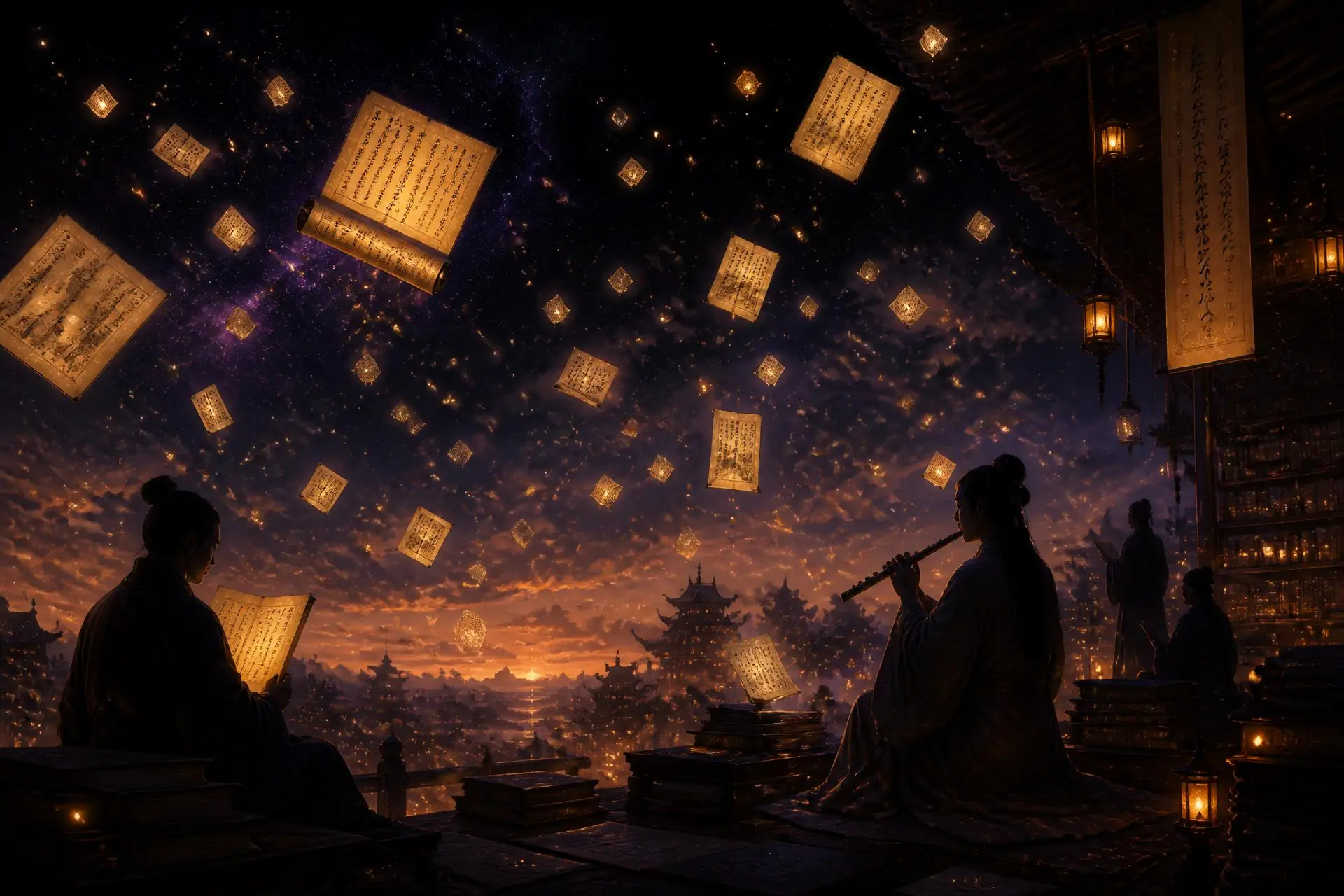
Everything changed during the COVID lockdown. We were all at home. The TV serial Sri Krishna became a daily thing for us. One day I found myself trying to play the Sri Krishna title song on a little toy flute watching the fingers of my father as he played along. He watched me and told me that I should start learning the side flute properly as I was able to mimic the sounds as he did on his professional side flute. He believed I could do it. That single moment made me decide to give it a try.
At first I thought it would be easy. How hard could it be? But I quickly learned how wrong I was. I could not get a proper sound out of the side flute for almost a week. No matter how I held it, no matter how I blew, all I got was air and squeaks. I felt frustrated and a bit embarrassed. I kept thinking maybe I was not cut out for this. I even almost gave up.
What stopped me from quitting was my father. He kept encouraging me. He told me that the sound would come if I kept trying. He spent time with me, correcting how I held the flute and how I positioned my lips. He would patiently tell me to try again, to breathe differently, to relax my shoulders. It was slow work. Some days I thought I was getting worse, not better. But after many tries, one morning a clear, steady note came out. It was a small sound, but it felt huge to me. That moment made all the frustration worth it.
After that, for a brief period my father taught me simple songs and compositions. We then joined Flute Gandharva. After that practice became my new “game.” I practiced alankars, compositions, simple songs, and the same few notes until my fingers remembered them. The first big step forward happened when I performed on stage for the first time during my school’s annual event in class six. When I started to play, something changed. The notes came out, and the applause at the end felt like someone telling me that I belonged there. That night I walked home with a new kind of pride. It was not about attention. It was about proving to myself that I could do it.
Another moment that shifted things for me was when I learnt to decode the notation of a whole song. The song was the title song of the movie 'Kalank'. It's a melodious song but it might have taken me a whole month to decode it. I struggled a lot in decoding the notations but was able to finally do it. It was tiring, but when I finally played the whole song correctly, I felt like I had unlocked a new language. Now I am able to decode the songs much easily.
People started to notice. In our society I performed at functions and small gatherings. Some people began to call me “the flute girl.” My name felt linked to the instrument in a way I had not expected. At school, teachers would ask me to play during events. I would carry my flute to practice with the school band, and that simple habit changed my interactions. Conversations were no longer only about homework or games. People asked about my practice, my next performance, and my favorite songs to play. The flute became a center point in my social life. I felt both proud and a bit shy at the same time.
Winning a few small awards added to that attention. There was a time when I played partly for that recognition. The applause and the certificates felt good. But over time something important shifted again. Now, when I hold my flute, I do not think about who is watching. I think about the music itself. The sound feels like company. When I play a fast piece, my heart races in the best way. It is a thrill that belongs only to me in that moment. The attention still comes sometimes, and I am grateful for it. But it no longer pulls me the way it used to.
The flute has also changed how I handle everyday situations. I am more patient while learning new things because I know that progress takes time. I am less afraid of small failures. When I face a new challenge, I remind myself of the week I could not make a sound. That memory keeps me grounded. I also talk to people differently. When someone asks about my flute, I listen to their story too. Music gave me a way to connect with others that feels genuine and warm.
Looking back, I see two versions of myself. One is the girl who played computer games and avoided anything hard. The other is the girl who struggled to find a single note and then stood on a stage to play in front of a crowd. The flute taught me more than music. It taught me patience, focus, and how to enjoy the process. What started as a suggestion from my father turned into a path I chose for myself. Now I play because I love it. I play because each practice makes me a little better. I play because the sound calms me and thrills me at the same time.
If I could give one piece of advice to someone thinking about learning an instrument, I would say this: be patient with yourself. The first week may feel impossible. Keep going anyway. Small, steady steps lead to big changes. For me, the flute did not only give me music. It gave me a new way to see myself.
— Avishi Saxena
Watch My Flute Journey
Begin your own flute journey
Join the free live classDid this story stir something within you?
If even one line warmed your heart — carry that spark forward. A small act of sharing keeps the flame alive in someone else.
Reflections
- Be the first to reflect on this story.
Sign in to leave a reflection.
A flame waits to be opened